

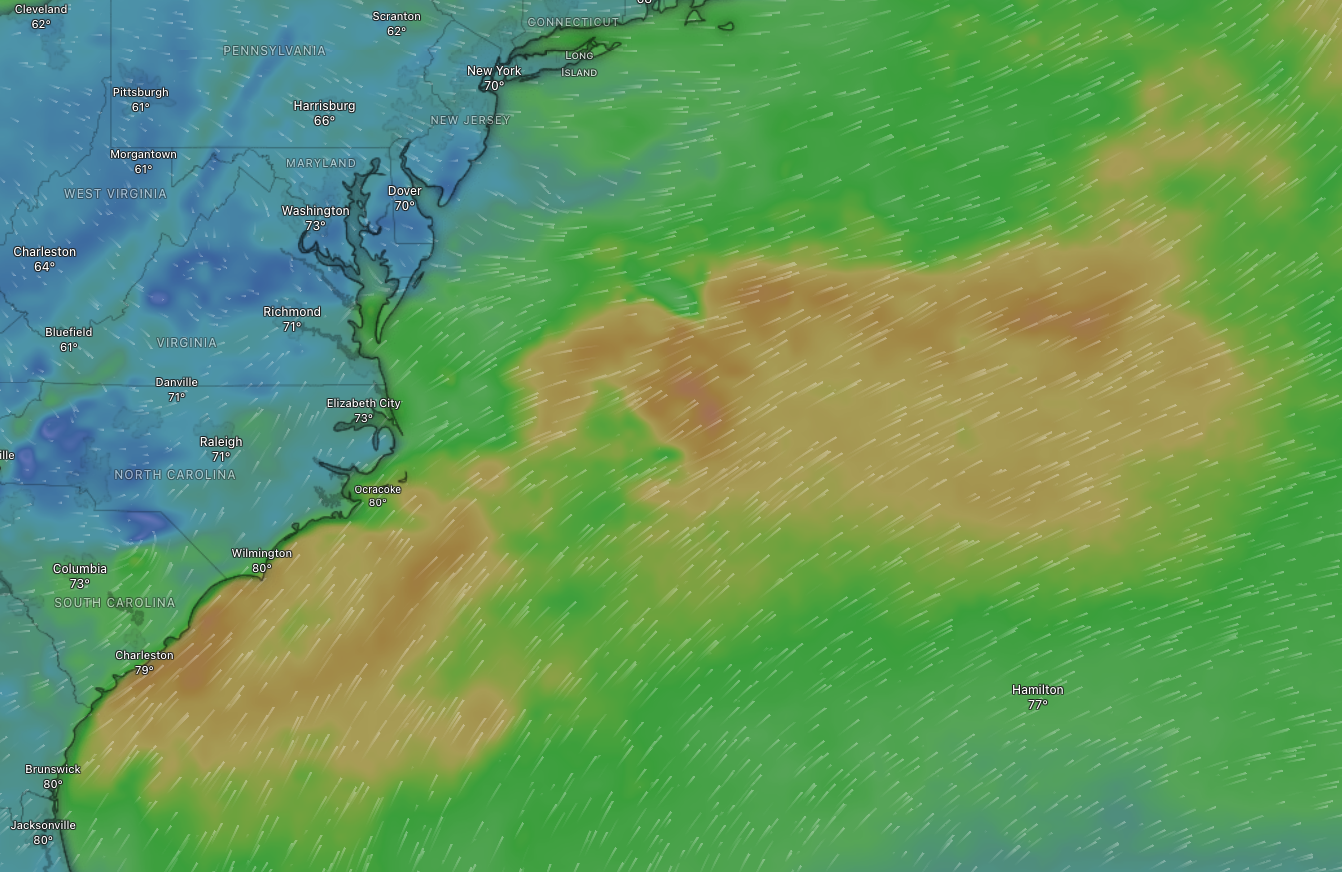
Coastal & Marine Weather Training
Weather is the variable that overrides everything else at sea. A sound vessel and a capable crew can manage most conditions — but only if they saw them coming, planned for them, and made smart decisions before the situation became urgent. The majority of avoidable incidents offshore trace back not to bad luck, but to misread or ignored weather. SEASCORPS weather training builds the skills to understand what marine forecasts are actually telling you, recognize what the sky and sea confirm, and make confident go/no-go calls before and during a passage.
Captain Mark Gervais brings 35 years at sea and more than 25,000 nautical miles offshore — including nine Newport–Bermuda Races where weather routing is the central tactical challenge from start to finish.
What the Training Covers
Training is tailored to your experience level and the waters you sail, and can include:
Marine forecast products — understanding NOAA offshore and coastal forecasts, zone forecasts, and when each applies to your situation
Synoptic weather patterns — how fronts, highs, and lows behave along the U.S. East Coast and offshore, and what they mean for your passage planning
Coastal weather phenomena — sea breezes, fog, squall lines, afternoon thunderstorms, and the local effects that don't always show up in a general forecast
Gulf Stream weather — how the Stream generates and amplifies conditions, and why wind-against-current is the factor that catches crews off guard on offshore passages
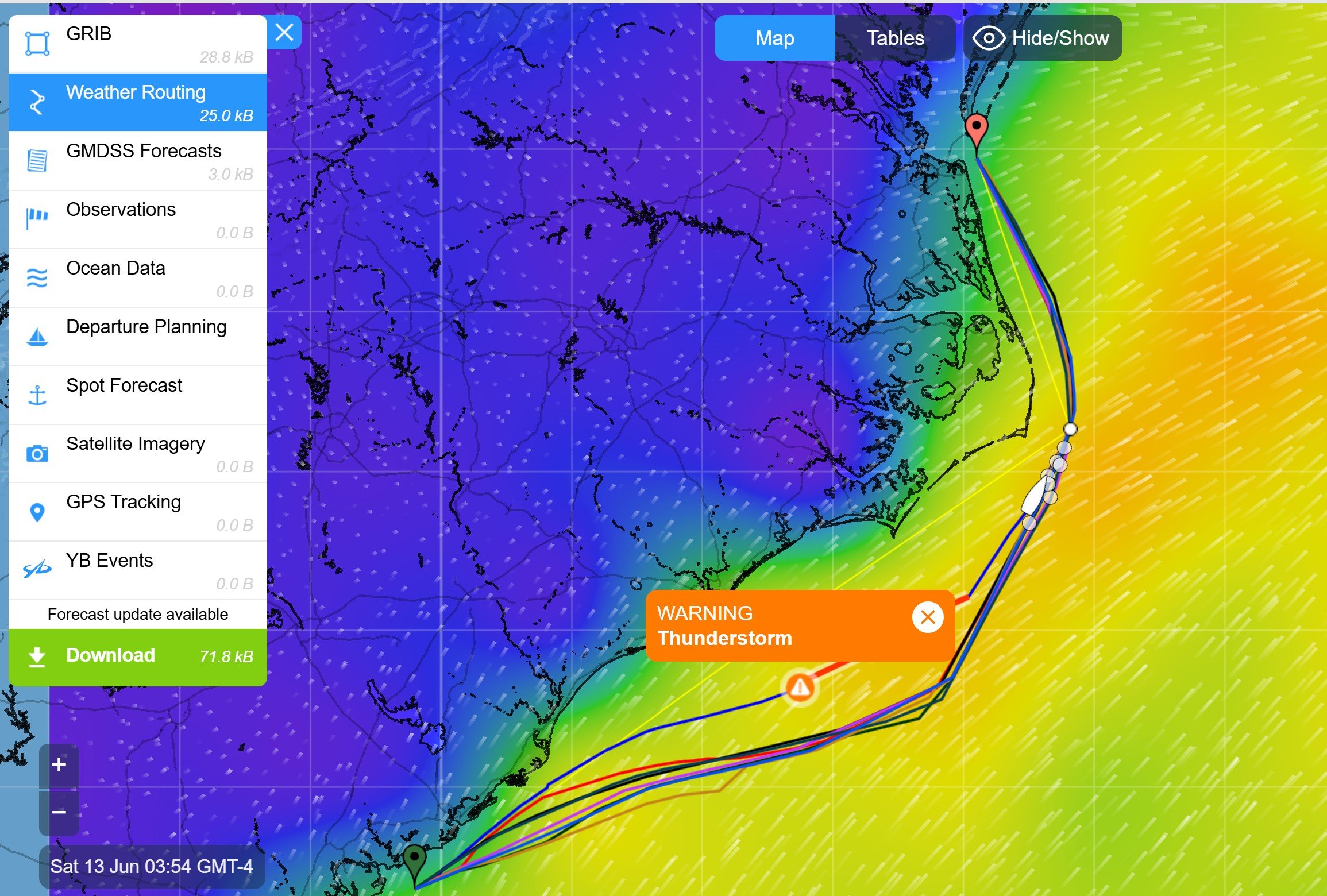
Weather tools and resources — GRIB files, weather fax, VHF forecasts, routing services, and how to use them without becoming over-reliant on any one source
Reading sky and sea — cloud formations, barometric trends, swell patterns, and what your senses can tell you that a screen can't
Go/no-go decision-making — building the framework and the discipline to wait for the right window, and to turn back when conditions change underway
Who It’s For
This training suits sailors and powerboaters at any experience level — coastal cruisers who want to stop being surprised by afternoon squalls, passage-makers preparing for their first offshore trip, and experienced crews who want to sharpen the weather judgment they've been building informally for years. It pairs naturally with navigation training or offshore passage preparation.
Judgment Built From Real Passages
Captain Mark's weather skills weren't learned in a classroom — they were built over 35 years and thousands of miles of actual passagemaking, where reading the Gulf Stream, timing Cape Hatteras, and making sound weather calls on ocean races had real consequences. That's what he passes on.
Start Reading the Weather Better
Tell us about your experience and where you're sailing, and we'll build a training plan to fit.